
Photo: Rubon JR Jacklick.
The Nitijela was briefed last Friday on the new RMI digital currency, known as USDM1.
President Hilda Heine, in her state of the nation address to Nitijela at the January 5 opening of Nitijela, spoke about the USDM1 launch and potential benefits.
Jeremy Coffey, a USDM1 representative, led the briefing.
The digital currency, which is the form of a stable coin linked to US Treasury Bonds, is being promoted in large part for people living on outer islands who do not have access to banking or financial institutions.
Finance Minister David Paul said it is a way for people living on remote islands to receive their quarterly Enra payments and for companies like Tobolar to pay copra makers on the outer islands instead of carrying hundreds of thousands of dollars in cash on copra buying trips on RMI ships.
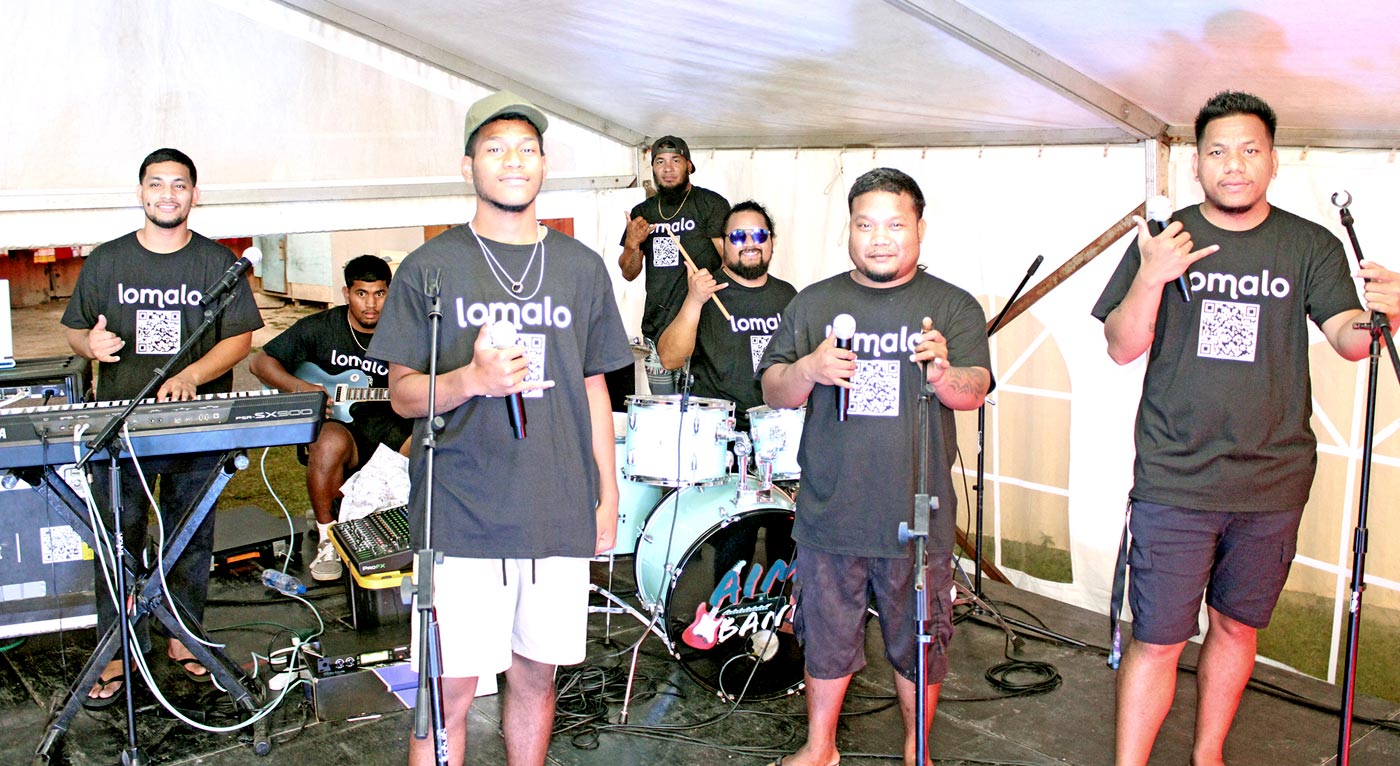
Any user of USDM1 digital currency, like other cryptocurrencies, will have a digital “wallet” in which the currency is stored until the user spends it or transfers it to others for payment of goods. The app for the USDM1 digital wallet is available for download and is called “Lomalo.”
A side benefit of the new stable coin is that because it is linked to US Treasury bonds and it is an official currency of the RMI government, users of USDM1 will receive interest payments on any coins left in their wallets at a current rate of 1.73 percent, which is higher than savings accounts at most commercial banks.
Efforts have been ongoing by USDM1 officials to gain support of Bank of Guam and other financial institutions to accept USDM1 so that users of the digital currency can exchange their tokens for dollars.
USDMI1 officials briefed the Marshall Islands Chamber of Commerce at its monthly meeting at Marshall Islands Resort on Wednesday this week as the Journal went to press.
USDM1 also sponsored a Lomalo Night Market last Saturday at Delap Park.
[jetpack_subscription_form title=“Subscribe” subscribe_button=”Sign Me Up” show_subscribers_total=”1″]